
Why Automation Drift Happens (And How to Fix It)
Key Takeaways
- Automation drift is a gradual gap between programmed motion and physical execution
- Mechanical wear, joint drift, and payload effects can reduce repeatability over time
- Vision calibration errors and sensor offsets can shift position data without causing a hard fault
- Networking timing creep can create subtle motion and coordination problems across the line
- Homing inconsistency is often an early sign that system accuracy is starting to drift
A robot programmed to hit the same coordinate today should ideally reach that same position months later. In real production environments, that consistency often degrades over time.
This is because over months of high-volume cycles, systems inevitably succumb to automation drift, which is a gradual, persistent divergence between a controller’s digital commands and the machine’s physical execution.
These drifts aren’t typically catastrophic failures that cause a hard stop. Instead, they are just small inefficiencies, like a sudden uptick in mis-pick troubleshooting, ghost errors in the HMI, subtle robot accuracy issues, and so on.
When these micro-deviations pile up, the result is a nightmare of production inconsistency troubleshooting where the fix keeps changing with every shift.
To fix automation drift, we have to understand why systems degrade and also look at the specific mechanical and electronic creeps that cause these systems to behave slightly differently from their intended precision.
Mechanical Wear Changes the Baseline
A lot of this drift starts with the mechanical side of the system, where physics keeps slowly winning the battle against software. The controller may still be issuing the same command every cycle, but the hardware carrying out that command is still subject to environmental variables.
The issues here include:
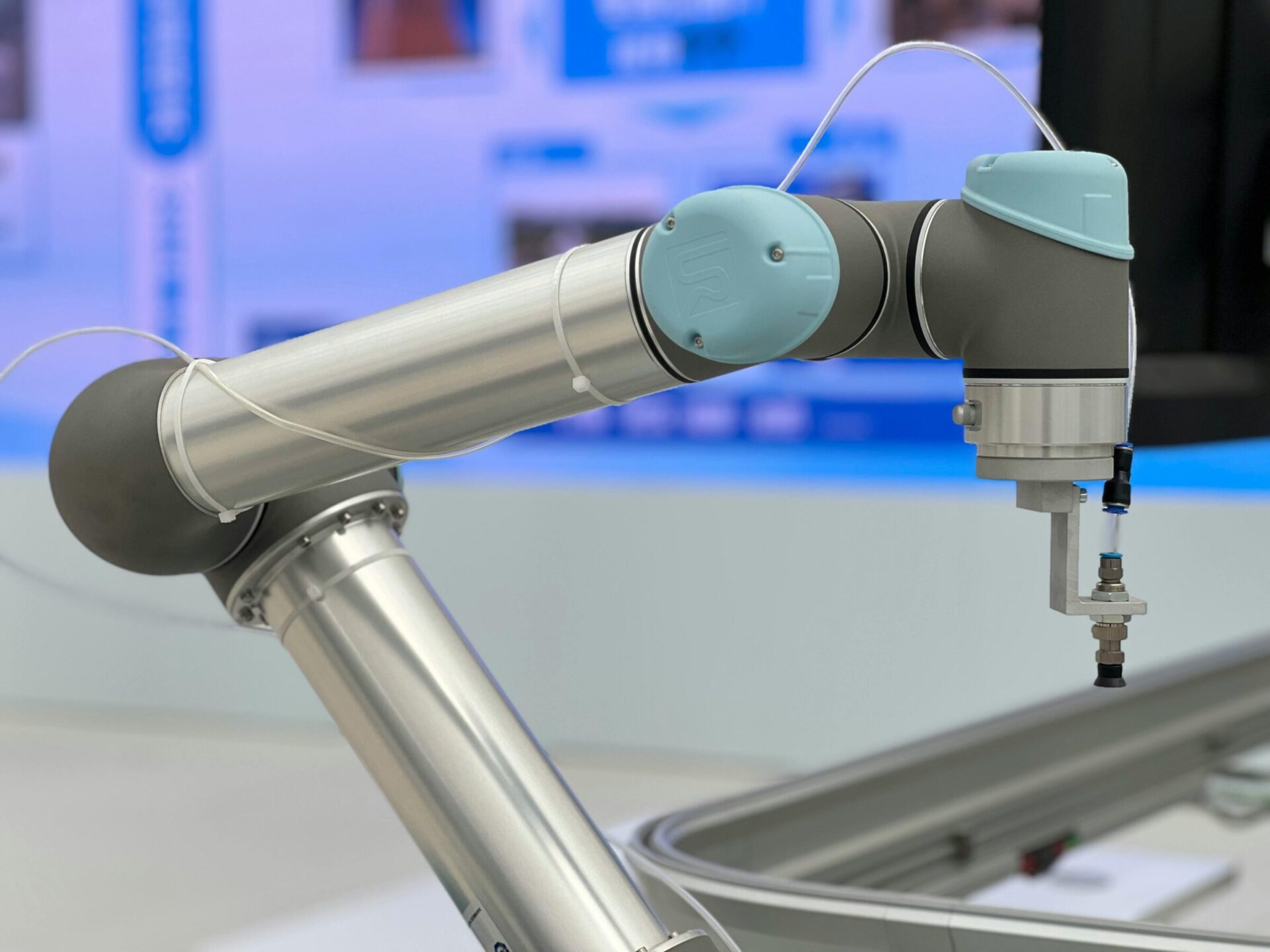
- Joint Drift: Over millions of cycles, gear backlash and belt tensioning change. Even a fraction of a millimeter of play in a robotic joint can lead to automation drift and significant accuracy issues at the end effector.
- Load-Induced Variance: Systems are often calibrated under dry run conditions. However, once you introduce the inertia of a full payload, structural deflection can cause the system to overshoot or oscillate, leading to inconsistent cycles.
Vision Systems Can Drift Without Failing
Vision systems can be accurate and still be wrong, and that’s why vision calibration errors are a common cause of automation drift and robot accuracy issues. Changes in lighting, lens movement, vibration, fixture variation, or thermal expansion in a camera mount can affect how the system interprets part location.
The robot may still execute the commanded move correctly, but if the coordinate data feeding that move has drifted, pick and placement will also be slightly affected.
Sensor offsets also happen as proximity switches or laser measurement tools accumulate dust, oil mist, residue, or slight physical knocks.
In some cases, the device is still operating within its normal range, but the signal no longer represents the process with the same accuracy it did during setup. Here, the automation drift and the resulting precision loss become a production inconsistency that’s difficult to track without a proper recalibration and troubleshooting protocol.
Network Timing Creep
Complex, high-speed lines rely on network timing as the heartbeat of the operation. In these cases, the drift may not be physical at all, but temporal.
When PLCs, HMIs, robots, drives, secondary sensors, IIoT gateways, and so on are added to an industrial network, jitter and network latency can increase. In high-speed systems, even small timing delays can affect synchronization, creating missed picks, poor handoffs, or collision risk.
That difference can be the distance between a successful pick and a collision.
Homing Problems as Early Warning Signs
Homing inconsistency is a major indicator of automation drift and robot accuracy issues. If a machine returns home but fails to reach the exact same physical coordinates every time, every subsequent motion in the cycle inherits that error.
This instability often stems from the physical degradation of the reference hardware, like limit switches that have shifted due to vibrations, or hard stops that have worn down over millions of strikes.
Restoring System Accuracy
Fixing automation drift requires that you shift from reactive maintenance to a high-level diagnostic approach and preventive maintenance. Here, troubleshooting production inconsistency means taking a deep dive into the intersection of PLC logic, robotic precision, and industrial networking.
At EZ Automation, we specialize in identifying and neutralizing these hidden drifts before they cause serious problems and downtime. We provide targeted remediation across the primary pillars of industrial automation, including:
- Machine vision systems
We identify the root cause of the automation drift and move your system back to its intended precision. If recurring drift, accuracy loss, or inconsistent performance is affecting production, EZ Automation can help identify the root cause and restore reliable operation. Contact our engineering team to learn more.
Frequently Asked Questions
Can automation drift be solved with software offsets alone?
Software offsets may provide a temporary correction, but they rarely address the root cause. Mechanical wear, calibration errors, or timing issues often continue to worsen unless the underlying problem is resolved.
Can automation drift be detected automatically?
Yes. Many systems can use calibration routines, reference checks, vision verification, or known-good master parts to detect drift before it affects production quality.
